- Worthyest
- Posts
- How to Know When a Wellness Trend Is Actually Science
How to Know When a Wellness Trend Is Actually Science

Worthyest
May 19, 2026
Worthyest

How to Know When a Wellness Trend Is Actually Science
Good Morning.
It seems like wellness culture discovers a new miracle every few months.
A powder that fixes inflammation. A morning routine that supposedly rewires the brain. A supplement everyone suddenly “can’t believe they lived without.” For a week or two, the internet behaves as though human biology has been permanently upgraded.
Then the next trend arrives.
The issue isn’t wellness itself. Some modern health advice is genuinely valuable. Walking after meals helps blood sugar. Strength training matters for aging. Sleep affects nearly everything. The problem is that wellness culture often presents early ideas with the confidence of settled science.
And human beings are highly persuadable when hope is packaged attractively.
Part of the confusion comes from how scientific information moves online. A small study becomes a headline. A headline becomes a TikTok. A TikTok becomes a personality. Soon, a single data point is treated like universal truth.
Real science usually moves slower and sounds less dramatic.
That’s one of the first things worth paying attention to. Legitimate experts tend to speak in probabilities, not guarantees. They acknowledge uncertainty. They talk about averages, limitations, and context. Wellness marketing, meanwhile, prefers certainty because certainty sells.
Another useful filter is asking whether the trend solves a legitimate health concern or creates anxiety around ordinary life.
Suddenly an off day becomes evidence that the body needs intervention. Ordinary distraction gets dressed up in neurological language. A stressful week becomes evidence that your nervous system may need a protocol, a reset, or a new product.
Science can absolutely improve life. But not every discomfort requires optimization.
A good rule is to watch for ideas that continue showing up across time instead of exploding overnight. Most legitimate health practices are surprisingly unglamorous. Sleep. Movement. Nutrition. Stress management. Social connection. The basics survive because evidence keeps surviving with them.
Trends often promise transformation through novelty.
Science usually offers improvement through consistency.
And one of the healthiest skills a person can develop now is learning the difference between the two.
Sponsored by National Audubon Society
Support Audubon & Receive a Gift
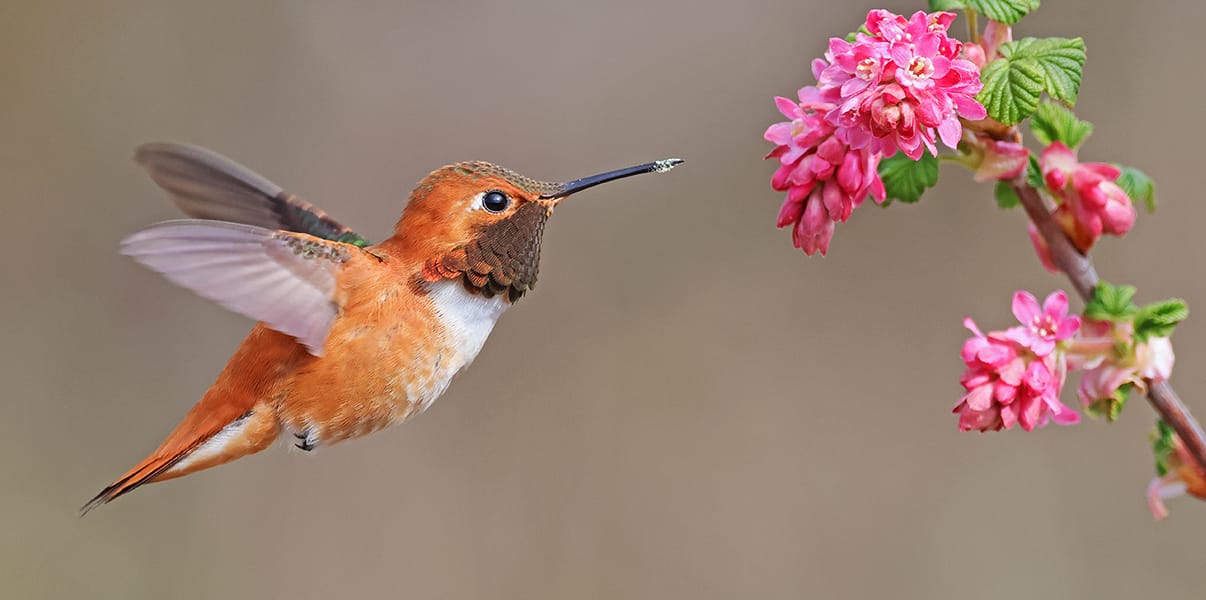
Rufous Hummingbird. Photo: Nathan Wall/Audubon Photography Awards
Become a member of the National Audubon Society today and receive our award-winning magazine as a thank-you. Every three months, enjoy stories about protecting birds and the places they need, delivered to your mailbox.
The Curiosity Edit

Today’s Insight: Cancer Research
Scientists Discover Why Some Cancers Survive Chemotherapy
Chemotherapy is designed to overwhelm cancer cells with damage they can’t survive. But scientists now believe some tumors may survive treatment by becoming unusually skilled at repairing that damage in real time, helping them recover, adapt, and continue growing even after aggressive therapy. Read the full story here.
Modern Living:
Confidence & Identity

How to Be More Confident: 9 Tips That Work
Confidence is often described like a personality trait: something people either naturally have or don’t. But psychologists say self-confidence usually behaves more like a skill, shaped by experience, repetition, self-talk, and the way people interpret setbacks over time. The surprising part is that many of the habits linked to confidence have less to do with certainty and more to do with how people respond to discomfort, failure, and self-doubt. Read the full story here.
Health & Wellness

The Health Habits Worth Looking at More Closely
Longevity advice often sounds simple until age, risk, medication, and real-life behavior enter the picture. This batch looks at movement, blood sugar, cannabis use, and the wellness trends experts think deserve more scrutiny.
Nordic Walking Can Improve Your Heart Function. Here's How It Works.
Walking becomes more powerful when it involves the upper body, posture, and rhythm at the same time. This article looks at why Nordic walking may offer cardiovascular benefits beyond a standard walk.
Why Energetic Health Matters Now More Than Ever
Energy is often treated as a productivity issue, but it also reflects sleep, stress, recovery, and daily load. This piece looks at why people are paying closer attention to how their bodies spend and restore energy.
What Happens to Blood Sugar Levels as You Get Older?
Blood sugar can become harder to regulate with age, even when routines have not changed dramatically. This guide explains how aging, medication, muscle mass, and metabolic changes can affect glucose patterns.
Is Cannabis Safe After 65? Stanford Experts Reveal 5 Risks Older Adults Should Know
Cannabis use is rising among older adults, but age can change how the body responds to it. Stanford experts outline the risks that may matter more for people managing medications, balance, memory, or heart health.
Experts Agree: These 7 Biohacks Aren’t Worth Your Time (But Offer 5 That Are)
Biohacking has made some basic health habits feel unnecessarily complicated. This article separates the trends experts see as low-value from the practices that may actually support long-term health.
The Conscious Plate:
Food, Nutrition & Elevated Living

The Daily Choices That Shape Metabolic Health
Nutrition habits can influence aging, blood sugar, heart health, and energy in ways that are easy to underestimate. This batch looks at familiar drinks, supplements, fasting, and snack routines through a more practical health lens.
What Drinking Orange Juice Every Day Does to Your Body, According to Nutrition Experts
Orange juice still carries a complicated reputation, sitting somewhere between breakfast staple and sugar concern. This article looks at how nutrition experts weigh its benefits, limits, and everyday context.
#1 Tea for Lowering Triglycerides, According to Dietitians
Heart-health advice often centers on food, but daily beverages can also contribute to larger metabolic patterns. This piece focuses on one tea dietitians often connect to triglyceride support.
Scientists Say a Daily Multivitamin May Help Slow Aging
Supplement research rarely produces simple answers, especially when aging is involved. This study examines whether a daily multivitamin may influence biological aging markers over time.
Scientists Reveal How Seven Days of Fasting Transforms the Human Body
Fasting changes the body in stages, which is part of why timing matters in the research. This study tracks how extended fasting affects blood proteins and organ systems across a full week.
20 Diabetic-Friendly Snack Ideas
Snacking can be harder to navigate when blood sugar stability is part of the equation. This list offers practical options built around balance, convenience, and steady energy.

Final Note
This is what we leave you with. A thought to end the day, carry in your pocket, or come back to later. Nothing big. Just something to reflect on.

The Effort Phase of Friendship
“We’re still close” starts meaning something different in adulthood.
Closeness is no longer held together by shared schedules, familiar places, or seeing each other by default. It lasts because people keep making the effort, even when life stops making it easy. The best adult friendships are often the ones that keep finding their way back through the noise.
Pass It On
Sometimes a thought, an idea, or a perspective lands at just the right time. If something here feels like it might resonate with someone you know, share it with them.

"Love Worthyest? Share the Joy!"
If our newsletter brightens your day, why not share it with someone you care about? Every friend you invite helps grow a community filled with insights, positivity, and meaningful tips for better living.
Your voice matters. Let’s inspire more people together.
Use the “Click to Share” button below to share the joy and help us spread the good today!
Comments, Questions or feedback please reach out to us. We would love to hear from you: [email protected]